Joe,
This (your post) ^ does a great job of explaining why Christians get to keep "In God we trust" on everything...
But it does a poor job of explaining why we ripped down our forefathers chosen phrase "e pluribus unum"
1/2 truths are usually great lies Joe...
We all understand why you get to keep it up
but what is confusing is...
why wouldn't any American want the original language of our forefathers honored..?
Example:
If we destroy the second amendment in these next few years (which seems likely)
60 years later somebody will say (just like you're saying now)
It says "Well Regulated" and the Supreme Court agrees that well regulated means X Y and Z
60 years later we still know what our forefathers wanted and the language they preferred
"e pluribus unum" and nobody can deny that
I just can't believe you find honor in defending the manipulation of the truth
This behavior does not strengthen ones "trust" in our Christian brothers motives and honesty
In God We Trust
-
Chizzang

- Level5

- Posts: 19274
- Joined: Mon Apr 20, 2009 7:36 am
- I am a fan of: Deflate Gate
- A.K.A.: The Quasar Kid
- Location: Palermo Italy
Re: In God We Trust
Q: Name something that offends Republicans?
A: The actual teachings of Jesus
A: The actual teachings of Jesus
Re: In God We Trust
You internet scholar, you.Chizzang wrote:Joe,
This (your post) ^ does a great job of explaining why Christians get to keep "In God we trust" on everything...
But it does a poor job of explaining why we ripped down our forefathers chosen phrase "e pluribus unum"
1/2 truths are usually great lies Joe...
We all understand why you get to keep it up
but what is confusing is...
why wouldn't any American want the original language of our forefathers honored..?
Example:
If we destroy the second amendment in these next few years (which seems likely)
60 years later somebody will say (just like you're saying now)
It says "Well Regulated" and the Supreme Court agrees that well regulated means X Y and Z
60 years later we still know what our forefathers wanted and the language they preferred
"e pluribus unum" and nobody can deny that
I just can't believe you find honor in defending the manipulation of the truth
This behavior does not strengthen ones "trust" in our Christian brothers motives and honesty

"E Pluribus Unum" was never an official motto of the United States. It has been used over the years (and continues to be used) on coins and governmental seals. It was approved by a Congressional resolution in the 1780s, but the motto was never codified. Thus, it was not "replaced" by "In God We Trust," which became the official motto of the US in 1956.
It is true that "In God We Trust" replaced "E Pluribus Unum" in some places. However, "E Pluribus Unum" remains alive and well. It remains on the official seal of the US; it is still used on US coins and currency; and is still accepted as a motto of the United States -- just not the official motto.
So your narrative and talking points is fake news. There is no conflict between the two mottos. That is contrived internet banter.

Re: In God We Trust
Contrived internet banter is our bailiwick. LolJoltinJoe wrote:You internet scholar, you.Chizzang wrote:Joe,
This (your post) ^ does a great job of explaining why Christians get to keep "In God we trust" on everything...
But it does a poor job of explaining why we ripped down our forefathers chosen phrase "e pluribus unum"
1/2 truths are usually great lies Joe...
We all understand why you get to keep it up
but what is confusing is...
why wouldn't any American want the original language of our forefathers honored..?
Example:
If we destroy the second amendment in these next few years (which seems likely)
60 years later somebody will say (just like you're saying now)
It says "Well Regulated" and the Supreme Court agrees that well regulated means X Y and Z
60 years later we still know what our forefathers wanted and the language they preferred
"e pluribus unum" and nobody can deny that
I just can't believe you find honor in defending the manipulation of the truth
This behavior does not strengthen ones "trust" in our Christian brothers motives and honesty
"E Pluribus Unum" was never an official motto of the United States. It has been used over the years (and continues to be used) on coins and governmental seals. It was approved by a Congressional resolution in the 1780s, but the motto was never codified. Thus, it was not "replaced" by "In God We Trust," which became the official motto of the US in 1956.
It is true that "In God We Trust" replaced "E Pluribus Unum" in some places. However, "E Pluribus Unum" remains alive and well. It remains on the official seal of the US; it is still used on US coins and currency; and is still accepted as a motto of the United States -- just not the official motto.
So your narrative and talking points is fake news. There is no conflict between the two mottos. That is contrived internet banter.
Sent from my iPhone using Tapatalk
Turns out I might be a little gay. 89Hen 11/7/17
-
CID1990
- Level5
- Posts: 25487
- Joined: Mon Jul 16, 2007 7:40 am
- I am a fan of: Pie
- A.K.A.: CID 1990
- Location: กรุงเทพมหานคร
Re: In God We Trust
1956
Yeah that's a venerated tradition right there.
Sent from my iPhone using Tapatalk
Yeah that's a venerated tradition right there.
Sent from my iPhone using Tapatalk
"You however, are an insufferable ankle biting mental chihuahua..." - Clizzoris
Re: In God We Trust
Eh, write your congressman.CID1990 wrote:1956
Yeah that's a venerated tradition right there.
Sent from my iPhone using Tapatalk
-
Chizzang
- Level5
- Posts: 19274
- Joined: Mon Apr 20, 2009 7:36 am
- I am a fan of: Deflate Gate
- A.K.A.: The Quasar Kid
- Location: Palermo Italy
Re: In God We Trust
So it's 1786 vs. 1956 all over again... and you're still dancing around it JoeJoltinJoe wrote:You internet scholar, you.Chizzang wrote:Joe,
This (your post) ^ does a great job of explaining why Christians get to keep "In God we trust" on everything...
But it does a poor job of explaining why we ripped down our forefathers chosen phrase "e pluribus unum"
1/2 truths are usually great lies Joe...
We all understand why you get to keep it up
but what is confusing is...
why wouldn't any American want the original language of our forefathers honored..?
Example:
If we destroy the second amendment in these next few years (which seems likely)
60 years later somebody will say (just like you're saying now)
It says "Well Regulated" and the Supreme Court agrees that well regulated means X Y and Z
60 years later we still know what our forefathers wanted and the language they preferred
"e pluribus unum" and nobody can deny that
I just can't believe you find honor in defending the manipulation of the truth
This behavior does not strengthen ones "trust" in our Christian brothers motives and honesty
"E Pluribus Unum" was never an official motto of the United States. It has been used over the years (and continues to be used) on coins and governmental seals. It was approved by a Congressional resolution in the 1780s, but the motto was never codified. Thus, it was not "replaced" by "In God We Trust," which became the official motto of the US in 1956.
It is true that "In God We Trust" replaced "E Pluribus Unum" in some places. However, "E Pluribus Unum" remains alive and well. It remains on the official seal of the US; it is still used on US coins and currency; and is still accepted as a motto of the United States -- just not the official motto.
So your narrative and talking points is fake news. There is no conflict between the two mottos. That is contrived internet banter.
In God we Trust sure as hell did rip down "E Pluribus Unum" I see you can't completely deny that
instead you shoot for "it didn't really matter" and "There is no conflict"
Joe it's a huge conflict when "something replaces something else" in regards to our government
And you still won't address the original intent of 1956 "In god we trust"
and how it flies in the face of our forefathers intent
Because it does and you know it
And when we dismantle the 2nd amendment liberals in 60 years will be singing your same song
It never really mattered... There's no conflict
People got scared in 1956 and Congress did something really stupid
People are scared in 2018 and are about to do something really stupid
and in 2078 somebody just like you will be saying "It never really mattered"
Q: Name something that offends Republicans?
A: The actual teachings of Jesus
A: The actual teachings of Jesus
Re: In God We Trust
You live in your own little private Idaho.Chizzang wrote:So it's 1786 vs. 1956 all over again... and you're still dancing around it JoeJoltinJoe wrote:
You internet scholar, you.
"E Pluribus Unum" was never an official motto of the United States. It has been used over the years (and continues to be used) on coins and governmental seals. It was approved by a Congressional resolution in the 1780s, but the motto was never codified. Thus, it was not "replaced" by "In God We Trust," which became the official motto of the US in 1956.
It is true that "In God We Trust" replaced "E Pluribus Unum" in some places. However, "E Pluribus Unum" remains alive and well. It remains on the official seal of the US; it is still used on US coins and currency; and is still accepted as a motto of the United States -- just not the official motto.
So your narrative and talking points is fake news. There is no conflict between the two mottos. That is contrived internet banter.
In God we Trust sure as hell did rip down "E Pluribus Unum" I see you can't completely deny that
instead you shoot for "it didn't really matter" and "There is no conflict"
Joe it's a huge conflict when "something replaces something else" in regards to our government
And you still won't address the original intent of 1956 "In god we trust"
and how it flies in the face of our forefathers intent
Because it does and you know it
And when we dismantle the 2nd amendment liberals in 60 years will be singing your same song
It never really mattered... There's no conflict
People got scared in 1956 and Congress did something really stupid
People are scared in 2018 and are about to do something really stupid
and in 2078 somebody just like you will be saying "It never really mattered"
It is laughable to contend that the founders would have been troubled by "In God We Trust." Go to DC some day and look for all the generic religious references spoken by the founders. They are plastered all over the city.
And can the liberties of a nation be thought secure when we have removed their only firm basis, a conviction in the minds of the people that these liberties are the gift of God? -- Thomas Jefferson quote inscribed on the Third Panel of the Jefferson Memorial (one of many such quotes).
-
kalm
- Supporter

- Posts: 69552
- Joined: Thu Oct 01, 2009 3:36 pm
- I am a fan of: Eastern
- A.K.A.: Humus The Proud
- Location: Northern Palouse
Re: In God We Trust
Joe, thanks for your sincere post. I’m going to have to read it several more times (directional school) and think about it before I reply.JoltinJoe wrote:As for the first question, if you don't think that posting "Allahu Akbar" would be construed as "establishing" Islam, I can't help you. You can argue all you want about the term is not really spoken by Muslims, etc. I can assure you that a court would conclude (as I do) that the statement represents an extreme form of Islam but -- equally important -- would not be a "generic" statement of faith accepted by other religious groups. You just can't focus on your position that the statement is not core to Muslims. You must consider whether other religious groups would react to the statement.kalm wrote:
I can see why you refuse to address the first point.
Joe, serious question, and I’d appreciate an intellectually honest answer for once. Does the the 1st amendment say “a religion” or “religion”?
I’m sure you have precedence on your side but I’m asking you to actually apply common sense here which I realize is tough sometimes.
As for your second question, I will answer it directly before commenting. The First Amendment does not say "a religion." It says "religion."
However, you have to look at the whole of the First Amendment, in context. So let's quote it, completely:
Congress shall make no law respecting an establishment of religion, or prohibiting the free exercise thereof; or abridging the freedom of speech, or of the press; or the right of the people peaceably to assemble, and to petition the Government for a redress of grievances.
First thing -- The First Amendment is one sentence, which means that there is an inter-relatedness to each of the clauses forming a part of the sentence.
Second thing -- There are three components of the First Amendment, linked into one sentence by semi-colon.
Third thing -- In assessing the First Amendment, the "inter-relatedness" between the three clauses is formed under the provision that "Congress shall make no law ..." The framers viewed the three subject areas as the core individual freedoms reserved from that delegation of authority to the federal government by "we the people."
Fourth thing -- The clause dealing with religions consists of a guarantee that "congress shall make no law": (i) "respecting an establishment of religion" or (ii) "prohibiting the free exercise thereof." Both of these concepts are mentioned within the same clause and should be read conjunctively, according to principles of common law familiar to the drafters (indeed, other aspects of the Bill of Rights specifically reference the intention to protect accepted common law rights).
The non-establishment clause and the free exercise clause exist to protect the same core individual right to religious liberty. They go hand in hand. This means that the non-establishment clause intends to protect the individual's right to free exercise (i.e., an "establishment" of religion would restrict the right of some individuals to engage in the free exercise of a religion of their choice).
Therefore, an "establishment" of religion is unconstitutional if it has the affect of restricting free exercise. For this reasons, our courts have long held that "generic" religious expression acceptable to adherents of any faith (as a generic expression of trust in God) do not "establish" religion, because they place no burden on an individual's right to free exercise. This has been the long accepted construction of the First Amendment, and the holdings that generic religious expression does not "establish" religion.
Finally -- A modern trend among groups like the American Atheists and "Freedom From Religion" try to argue that the "Establishment Clause" stands apart from the "Free Exercise" Clause. They have thereby sought to disassociate the two concepts into stand alone concepts, which of course, gives a potentially far broader reach to the "Establishment Clause" -- as acts that "establish" religion would no longer be understood to be those acts which restrict free exercise.
In responding to you, I am trying to be neutral; however, I do not believe that this modern push fully appreciates common law construction of legal drafting (as explained above). The Constitution does not guarantee "freedom from religion" and does not require the government to be neutral on the question of faith. The government may express a preference for faith, or it may express a preference of non-faith, as it sees fit.


-
Chizzang
- Level5
- Posts: 19274
- Joined: Mon Apr 20, 2009 7:36 am
- I am a fan of: Deflate Gate
- A.K.A.: The Quasar Kid
- Location: Palermo Italy
Re: In God We Trust
JoltinJoe wrote:You live in your own little private Idaho.Chizzang wrote:
So it's 1786 vs. 1956 all over again... and you're still dancing around it Joe
In God we Trust sure as hell did rip down "E Pluribus Unum" I see you can't completely deny that
instead you shoot for "it didn't really matter" and "There is no conflict"
Joe it's a huge conflict when "something replaces something else" in regards to our government
And you still won't address the original intent of 1956 "In god we trust"
and how it flies in the face of our forefathers intent
Because it does and you know it
And when we dismantle the 2nd amendment liberals in 60 years will be singing your same song
It never really mattered... There's no conflict
People got scared in 1956 and Congress did something really stupid
People are scared in 2018 and are about to do something really stupid
and in 2078 somebody just like you will be saying "It never really mattered"
It is laughable to contend that the founders would have been troubled by "In God We Trust." Go to DC some day and look for all the generic religious references spoken by the founders. They are plastered all over the city.
And can the liberties of a nation be thought secure when we have removed their only firm basis, a conviction in the minds of the people that these liberties are the gift of God? -- Thomas Jefferson quote inscribed on the Third Panel of the Jefferson Memorial (one of many such quotes).
BTW:
I like it when you call me names and poke fun at my education
it explains a lot
and what is Jefferson implying there above ^ Joe...
He's very specifically pointing out that "The King" is not the owner of mans Liberty
and at the time, quite frankly there was no other way to express that idea
as there were only two places from which humanity was viewed to have derived their power
25 years later he made sure to clear that one up
as at that point we had definitively broken away from kingship
Christianity neither is, nor ever was a part of the common law.
Thomas Jefferson, letter to Dr. Thomas Cooper, February 10, 1814
Q: Name something that offends Republicans?
A: The actual teachings of Jesus
A: The actual teachings of Jesus
-
kalm
- Supporter
- Posts: 69552
- Joined: Thu Oct 01, 2009 3:36 pm
- I am a fan of: Eastern
- A.K.A.: Humus The Proud
- Location: Northern Palouse
Re: In God We Trust
Jefferson was a searcher and open minded enough to consider opposing views and even change his mind occasionally.Chizzang wrote:JoltinJoe wrote:
You live in your own little private Idaho.
It is laughable to contend that the founders would have been troubled by "In God We Trust." Go to DC some day and look for all the generic religious references spoken by the founders. They are plastered all over the city.
And can the liberties of a nation be thought secure when we have removed their only firm basis, a conviction in the minds of the people that these liberties are the gift of God? -- Thomas Jefferson quote inscribed on the Third Panel of the Jefferson Memorial (one of many such quotes).
BTW:
I like it when you call me names and poke fun at my education
it explains a lot
and what is Jefferson implying there above ^ Joe...
He's very specifically pointing out that "The King" is not the owner of mans Liberty
and at the time, quite frankly there was no other way to express that idea
as there were only two places from which humanity was viewed to have derived their power
25 years later he made sure to clear that one up
as at that point we had definitively broken away from kingship
Christianity neither is, nor ever was a part of the common law.
Thomas Jefferson, letter to Dr. Thomas Cooper, February 10, 1814
But still...

Re: In God We Trust
I thought it was a good (rare) sincere post from Joe as well.kalm wrote:Joe, thanks for your sincere post. I’m going to have to read it several more times (directional school) and think about it before I reply.JoltinJoe wrote:
As for the first question, if you don't think that posting "Allahu Akbar" would be construed as "establishing" Islam, I can't help you. You can argue all you want about the term is not really spoken by Muslims, etc. I can assure you that a court would conclude (as I do) that the statement represents an extreme form of Islam but -- equally important -- would not be a "generic" statement of faith accepted by other religious groups. You just can't focus on your position that the statement is not core to Muslims. You must consider whether other religious groups would react to the statement.
As for your second question, I will answer it directly before commenting. The First Amendment does not say "a religion." It says "religion."
However, you have to look at the whole of the First Amendment, in context. So let's quote it, completely:
Congress shall make no law respecting an establishment of religion, or prohibiting the free exercise thereof; or abridging the freedom of speech, or of the press; or the right of the people peaceably to assemble, and to petition the Government for a redress of grievances.
First thing -- The First Amendment is one sentence, which means that there is an inter-relatedness to each of the clauses forming a part of the sentence.
Second thing -- There are three components of the First Amendment, linked into one sentence by semi-colon.
Third thing -- In assessing the First Amendment, the "inter-relatedness" between the three clauses is formed under the provision that "Congress shall make no law ..." The framers viewed the three subject areas as the core individual freedoms reserved from that delegation of authority to the federal government by "we the people."
Fourth thing -- The clause dealing with religions consists of a guarantee that "congress shall make no law": (i) "respecting an establishment of religion" or (ii) "prohibiting the free exercise thereof." Both of these concepts are mentioned within the same clause and should be read conjunctively, according to principles of common law familiar to the drafters (indeed, other aspects of the Bill of Rights specifically reference the intention to protect accepted common law rights).
The non-establishment clause and the free exercise clause exist to protect the same core individual right to religious liberty. They go hand in hand. This means that the non-establishment clause intends to protect the individual's right to free exercise (i.e., an "establishment" of religion would restrict the right of some individuals to engage in the free exercise of a religion of their choice).
Therefore, an "establishment" of religion is unconstitutional if it has the affect of restricting free exercise. For this reasons, our courts have long held that "generic" religious expression acceptable to adherents of any faith (as a generic expression of trust in God) do not "establish" religion, because they place no burden on an individual's right to free exercise. This has been the long accepted construction of the First Amendment, and the holdings that generic religious expression does not "establish" religion.
Finally -- A modern trend among groups like the American Atheists and "Freedom From Religion" try to argue that the "Establishment Clause" stands apart from the "Free Exercise" Clause. They have thereby sought to disassociate the two concepts into stand alone concepts, which of course, gives a potentially far broader reach to the "Establishment Clause" -- as acts that "establish" religion would no longer be understood to be those acts which restrict free exercise.
In responding to you, I am trying to be neutral; however, I do not believe that this modern push fully appreciates common law construction of legal drafting (as explained above). The Constitution does not guarantee "freedom from religion" and does not require the government to be neutral on the question of faith. The government may express a preference for faith, or it may express a preference of non-faith, as it sees fit.
Turns out I might be a little gay. 89Hen 11/7/17
-
Chizzang
- Level5
- Posts: 19274
- Joined: Mon Apr 20, 2009 7:36 am
- I am a fan of: Deflate Gate
- A.K.A.: The Quasar Kid
- Location: Palermo Italy
Re: In God We Trust
Clearly Joe wins the debate... But I did my best
It's difficult to beat a guy on his home terf
but I thought I'd give it a go and see what the old fart had left in the tank
He outed me on the "Private Idaho"
In order to really win the "e pluribus unum" side of the argument
I figured I'd have to go all the way to the edge
and it ended up just sounding a little bit crazy
He sniffed that out straight away
As I stated on page #1 of this thread, the whole Tennessee School thing - it doesn't really bother me...
But Joe looked ready to tangle and I honestly felt like I could win a long debate on this

It's difficult to beat a guy on his home terf
but I thought I'd give it a go and see what the old fart had left in the tank
He outed me on the "Private Idaho"
In order to really win the "e pluribus unum" side of the argument
I figured I'd have to go all the way to the edge
and it ended up just sounding a little bit crazy
He sniffed that out straight away
As I stated on page #1 of this thread, the whole Tennessee School thing - it doesn't really bother me...
But Joe looked ready to tangle and I honestly felt like I could win a long debate on this
Q: Name something that offends Republicans?
A: The actual teachings of Jesus
A: The actual teachings of Jesus
-
kalm
- Supporter
- Posts: 69552
- Joined: Thu Oct 01, 2009 3:36 pm
- I am a fan of: Eastern
- A.K.A.: Humus The Proud
- Location: Northern Palouse
Re: In God We Trust
1) I don't think posting Allahu Akbar is kosher either (ha! get it?). That's part of my point which you seem to have missed.JoltinJoe wrote:As for the first question, if you don't think that posting "Allahu Akbar" would be construed as "establishing" Islam, I can't help you. You can argue all you want about the term is not really spoken by Muslims, etc. I can assure you that a court would conclude (as I do) that the statement represents an extreme form of Islam but -- equally important -- would not be a "generic" statement of faith accepted by other religious groups. You just can't focus on your position that the statement is not core to Muslims. You must consider whether other religious groups would react to the statement.kalm wrote:
I can see why you refuse to address the first point.
Joe, serious question, and I’d appreciate an intellectually honest answer for once. Does the the 1st amendment say “a religion” or “religion”?
I’m sure you have precedence on your side but I’m asking you to actually apply common sense here which I realize is tough sometimes.
As for your second question, I will answer it directly before commenting. The First Amendment does not say "a religion." It says "religion."
However, you have to look at the whole of the First Amendment, in context. So let's quote it, completely:
Congress shall make no law respecting an establishment of religion, or prohibiting the free exercise thereof; or abridging the freedom of speech, or of the press; or the right of the people peaceably to assemble, and to petition the Government for a redress of grievances.
First thing -- The First Amendment is one sentence, which means that there is an inter-relatedness to each of the clauses forming a part of the sentence.
Second thing -- There are three components of the First Amendment, linked into one sentence by semi-colon.
Third thing -- In assessing the First Amendment, the "inter-relatedness" between the three clauses is formed under the provision that "Congress shall make no law ..." The framers viewed the three subject areas as the core individual freedoms reserved from that delegation of authority to the federal government by "we the people."
Fourth thing -- The clause dealing with religions consists of a guarantee that "congress shall make no law": (i) "respecting an establishment of religion" or (ii) "prohibiting the free exercise thereof." Both of these concepts are mentioned within the same clause and should be read conjunctively, according to principles of common law familiar to the drafters (indeed, other aspects of the Bill of Rights specifically reference the intention to protect accepted common law rights).
The non-establishment clause and the free exercise clause exist to protect the same core individual right to religious liberty. They go hand in hand. This means that the non-establishment clause intends to protect the individual's right to free exercise (i.e., an "establishment" of religion would restrict the right of some individuals to engage in the free exercise of a religion of their choice).
Therefore, an "establishment" of religion is unconstitutional if it has the affect of restricting free exercise. For this reasons, our courts have long held that "generic" religious expression acceptable to adherents of any faith (as a generic expression of trust in God) do not "establish" religion, because they place no burden on an individual's right to free exercise. This has been the long accepted construction of the First Amendment, and the holdings that generic religious expression does not "establish" religion.
Finally -- A modern trend among groups like the American Atheists and "Freedom From Religion" try to argue that the "Establishment Clause" stands apart from the "Free Exercise" Clause. They have thereby sought to disassociate the two concepts into stand alone concepts, which of course, gives a potentially far broader reach to the "Establishment Clause" -- as acts that "establish" religion would no longer be understood to be those acts which restrict free exercise.
In responding to you, I am trying to be neutral; however, I do not believe that this modern push fully appreciates common law construction of legal drafting (as explained above). The Constitution does not guarantee "freedom from religion" and does not require the government to be neutral on the question of faith. The government may express a preference for faith, or it may express a preference of non-faith, as it sees fit.
2) Why did they use "or" in connecting the two clauses instead of "and"? Just trying to understand plain english here (remember...directional school).
-
Gil Dobie

- Supporter
- Posts: 31519
- Joined: Fri Jul 13, 2007 7:45 pm
- I am a fan of: Norse Dakota State
- Location: Historic Leduc Estate
Re: In God We Trust
Touch 'em all JoeJoltinJoe wrote:
As for the first question, if you don't think that posting "Allahu Akbar" would be construed as "establishing" Islam, I can't help you. You can argue all you want about the term is not really spoken by Muslims, etc. I can assure you that a court would conclude (as I do) that the statement represents an extreme form of Islam but -- equally important -- would not be a "generic" statement of faith accepted by other religious groups. You just can't focus on your position that the statement is not core to Muslims. You must consider whether other religious groups would react to the statement.
As for your second question, I will answer it directly before commenting. The First Amendment does not say "a religion." It says "religion."
However, you have to look at the whole of the First Amendment, in context. So let's quote it, completely:
Congress shall make no law respecting an establishment of religion, or prohibiting the free exercise thereof; or abridging the freedom of speech, or of the press; or the right of the people peaceably to assemble, and to petition the Government for a redress of grievances.
First thing -- The First Amendment is one sentence, which means that there is an inter-relatedness to each of the clauses forming a part of the sentence.
Second thing -- There are three components of the First Amendment, linked into one sentence by semi-colon.
Third thing -- In assessing the First Amendment, the "inter-relatedness" between the three clauses is formed under the provision that "Congress shall make no law ..." The framers viewed the three subject areas as the core individual freedoms reserved from that delegation of authority to the federal government by "we the people."
Fourth thing -- The clause dealing with religions consists of a guarantee that "congress shall make no law": (i) "respecting an establishment of religion" or (ii) "prohibiting the free exercise thereof." Both of these concepts are mentioned within the same clause and should be read conjunctively, according to principles of common law familiar to the drafters (indeed, other aspects of the Bill of Rights specifically reference the intention to protect accepted common law rights).
The non-establishment clause and the free exercise clause exist to protect the same core individual right to religious liberty. They go hand in hand. This means that the non-establishment clause intends to protect the individual's right to free exercise (i.e., an "establishment" of religion would restrict the right of some individuals to engage in the free exercise of a religion of their choice).
Therefore, an "establishment" of religion is unconstitutional if it has the affect of restricting free exercise. For this reasons, our courts have long held that "generic" religious expression acceptable to adherents of any faith (as a generic expression of trust in God) do not "establish" religion, because they place no burden on an individual's right to free exercise. This has been the long accepted construction of the First Amendment, and the holdings that generic religious expression does not "establish" religion.
Finally -- A modern trend among groups like the American Atheists and "Freedom From Religion" try to argue that the "Establishment Clause" stands apart from the "Free Exercise" Clause. They have thereby sought to disassociate the two concepts into stand alone concepts, which of course, gives a potentially far broader reach to the "Establishment Clause" -- as acts that "establish" religion would no longer be understood to be those acts which restrict free exercise.
In responding to you, I am trying to be neutral; however, I do not believe that this modern push fully appreciates common law construction of legal drafting (as explained above). The Constitution does not guarantee "freedom from religion" and does not require the government to be neutral on the question of faith. The government may express a preference for faith, or it may express a preference of non-faith, as it sees fit.
-
kalm
- Supporter
- Posts: 69552
- Joined: Thu Oct 01, 2009 3:36 pm
- I am a fan of: Eastern
- A.K.A.: Humus The Proud
- Location: Northern Palouse
Re: In God We Trust
Give up your cheerleading career, Gil...Gil Dobie wrote:Touch 'em all JoeJoltinJoe wrote:
As for the first question, if you don't think that posting "Allahu Akbar" would be construed as "establishing" Islam, I can't help you. You can argue all you want about the term is not really spoken by Muslims, etc. I can assure you that a court would conclude (as I do) that the statement represents an extreme form of Islam but -- equally important -- would not be a "generic" statement of faith accepted by other religious groups. You just can't focus on your position that the statement is not core to Muslims. You must consider whether other religious groups would react to the statement.
As for your second question, I will answer it directly before commenting. The First Amendment does not say "a religion." It says "religion."
However, you have to look at the whole of the First Amendment, in context. So let's quote it, completely:
Congress shall make no law respecting an establishment of religion, or prohibiting the free exercise thereof; or abridging the freedom of speech, or of the press; or the right of the people peaceably to assemble, and to petition the Government for a redress of grievances.
First thing -- The First Amendment is one sentence, which means that there is an inter-relatedness to each of the clauses forming a part of the sentence.
Second thing -- There are three components of the First Amendment, linked into one sentence by semi-colon.
Third thing -- In assessing the First Amendment, the "inter-relatedness" between the three clauses is formed under the provision that "Congress shall make no law ..." The framers viewed the three subject areas as the core individual freedoms reserved from that delegation of authority to the federal government by "we the people."
Fourth thing -- The clause dealing with religions consists of a guarantee that "congress shall make no law": (i) "respecting an establishment of religion" or (ii) "prohibiting the free exercise thereof." Both of these concepts are mentioned within the same clause and should be read conjunctively, according to principles of common law familiar to the drafters (indeed, other aspects of the Bill of Rights specifically reference the intention to protect accepted common law rights).
The non-establishment clause and the free exercise clause exist to protect the same core individual right to religious liberty. They go hand in hand. This means that the non-establishment clause intends to protect the individual's right to free exercise (i.e., an "establishment" of religion would restrict the right of some individuals to engage in the free exercise of a religion of their choice).
Therefore, an "establishment" of religion is unconstitutional if it has the affect of restricting free exercise. For this reasons, our courts have long held that "generic" religious expression acceptable to adherents of any faith (as a generic expression of trust in God) do not "establish" religion, because they place no burden on an individual's right to free exercise. This has been the long accepted construction of the First Amendment, and the holdings that generic religious expression does not "establish" religion.
Finally -- A modern trend among groups like the American Atheists and "Freedom From Religion" try to argue that the "Establishment Clause" stands apart from the "Free Exercise" Clause. They have thereby sought to disassociate the two concepts into stand alone concepts, which of course, gives a potentially far broader reach to the "Establishment Clause" -- as acts that "establish" religion would no longer be understood to be those acts which restrict free exercise.
In responding to you, I am trying to be neutral; however, I do not believe that this modern push fully appreciates common law construction of legal drafting (as explained above). The Constitution does not guarantee "freedom from religion" and does not require the government to be neutral on the question of faith. The government may express a preference for faith, or it may express a preference of non-faith, as it sees fit.

-
Gil Dobie
- Supporter
- Posts: 31519
- Joined: Fri Jul 13, 2007 7:45 pm
- I am a fan of: Norse Dakota State
- Location: Historic Leduc Estate
Re: In God We Trust
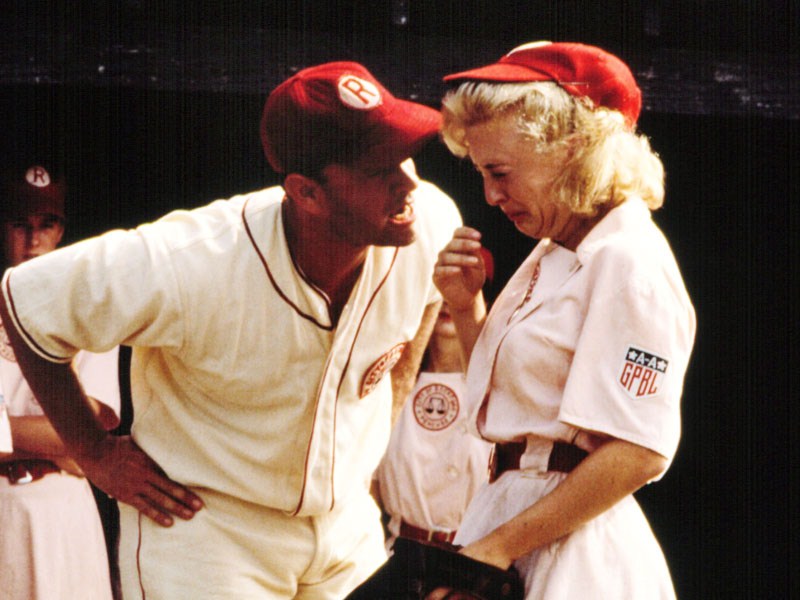
There's no crying in baseball Kalmkalm wrote:Give up your cheerleading career, Gil...Gil Dobie wrote:
Touch 'em all Joe
-
kalm
- Supporter
- Posts: 69552
- Joined: Thu Oct 01, 2009 3:36 pm
- I am a fan of: Eastern
- A.K.A.: Humus The Proud
- Location: Northern Palouse
Re: In God We Trust
Religion is a private matter, Gil. Only the insecure and weak minded need reminders posted in the public square.Gil Dobie wrote:There's no crying in baseball Kalmkalm wrote:
Give up your cheerleading career, Gil...

-
Gil Dobie
- Supporter
- Posts: 31519
- Joined: Fri Jul 13, 2007 7:45 pm
- I am a fan of: Norse Dakota State
- Location: Historic Leduc Estate
Re: In God We Trust
Trying to keep the baseball theme on opening day, but this one works Swing and a Miss in your case Kalm.kalm wrote:Religion is a private matter, Gil. Only the insecure and weak minded need reminders posted in the public square.Gil Dobie wrote:
There's no crying in baseball Kalm

-
CID1990
- Level5
- Posts: 25487
- Joined: Mon Jul 16, 2007 7:40 am
- I am a fan of: Pie
- A.K.A.: CID 1990
- Location: กรุงเทพมหานคร
Re: In God We Trust
Holy sh1t I didn’t think anyone was more sacrilegious than me but you got me, klamkalm wrote:Religion is a private matter, Gil. Only the insecure and weak minded need reminders posted in the public square.Gil Dobie wrote:
There's no crying in baseball Kalm
"You however, are an insufferable ankle biting mental chihuahua..." - Clizzoris
-
kalm
- Supporter
- Posts: 69552
- Joined: Thu Oct 01, 2009 3:36 pm
- I am a fan of: Eastern
- A.K.A.: Humus The Proud
- Location: Northern Palouse
Re: In God We Trust
It's opening day??????Gil Dobie wrote:Trying to keep the baseball theme on opening day, but this one works Swing and a Miss in your case Kalm.kalm wrote:
Religion is a private matter, Gil. Only the insecure and weak minded need reminders posted in the public square.
Meh.
I used to follow baseball but it just bores me now. At least the fat out of shape guys in golf have to hunt down and play their foul balls.I'd rather watch even women's golf than baseball...

-
Gil Dobie
- Supporter
- Posts: 31519
- Joined: Fri Jul 13, 2007 7:45 pm
- I am a fan of: Norse Dakota State
- Location: Historic Leduc Estate
Re: In God We Trust
I watch baseball and golf. Fan of former Bison Amy Andersonkalm wrote:It's opening day??????Gil Dobie wrote:
Trying to keep the baseball theme on opening day, but this one works Swing and a Miss in your case Kalm.
Meh.
I'd rather watch even women's golf than baseball...

Re: In God We Trust
As usual. My winning streak here is much longer than DiMag's streak.Gil Dobie wrote:Touch 'em all JoeJoltinJoe wrote:
As for the first question, if you don't think that posting "Allahu Akbar" would be construed as "establishing" Islam, I can't help you. You can argue all you want about the term is not really spoken by Muslims, etc. I can assure you that a court would conclude (as I do) that the statement represents an extreme form of Islam but -- equally important -- would not be a "generic" statement of faith accepted by other religious groups. You just can't focus on your position that the statement is not core to Muslims. You must consider whether other religious groups would react to the statement.
As for your second question, I will answer it directly before commenting. The First Amendment does not say "a religion." It says "religion."
However, you have to look at the whole of the First Amendment, in context. So let's quote it, completely:
Congress shall make no law respecting an establishment of religion, or prohibiting the free exercise thereof; or abridging the freedom of speech, or of the press; or the right of the people peaceably to assemble, and to petition the Government for a redress of grievances.
First thing -- The First Amendment is one sentence, which means that there is an inter-relatedness to each of the clauses forming a part of the sentence.
Second thing -- There are three components of the First Amendment, linked into one sentence by semi-colon.
Third thing -- In assessing the First Amendment, the "inter-relatedness" between the three clauses is formed under the provision that "Congress shall make no law ..." The framers viewed the three subject areas as the core individual freedoms reserved from that delegation of authority to the federal government by "we the people."
Fourth thing -- The clause dealing with religions consists of a guarantee that "congress shall make no law": (i) "respecting an establishment of religion" or (ii) "prohibiting the free exercise thereof." Both of these concepts are mentioned within the same clause and should be read conjunctively, according to principles of common law familiar to the drafters (indeed, other aspects of the Bill of Rights specifically reference the intention to protect accepted common law rights).
The non-establishment clause and the free exercise clause exist to protect the same core individual right to religious liberty. They go hand in hand. This means that the non-establishment clause intends to protect the individual's right to free exercise (i.e., an "establishment" of religion would restrict the right of some individuals to engage in the free exercise of a religion of their choice).
Therefore, an "establishment" of religion is unconstitutional if it has the affect of restricting free exercise. For this reasons, our courts have long held that "generic" religious expression acceptable to adherents of any faith (as a generic expression of trust in God) do not "establish" religion, because they place no burden on an individual's right to free exercise. This has been the long accepted construction of the First Amendment, and the holdings that generic religious expression does not "establish" religion.
Finally -- A modern trend among groups like the American Atheists and "Freedom From Religion" try to argue that the "Establishment Clause" stands apart from the "Free Exercise" Clause. They have thereby sought to disassociate the two concepts into stand alone concepts, which of course, gives a potentially far broader reach to the "Establishment Clause" -- as acts that "establish" religion would no longer be understood to be those acts which restrict free exercise.
In responding to you, I am trying to be neutral; however, I do not believe that this modern push fully appreciates common law construction of legal drafting (as explained above). The Constitution does not guarantee "freedom from religion" and does not require the government to be neutral on the question of faith. The government may express a preference for faith, or it may express a preference of non-faith, as it sees fit.
-
Pwns

- Level4

- Posts: 7348
- Joined: Sun Jan 25, 2009 10:38 pm
- I am a fan of: Georgia Friggin' Southern
- A.K.A.: FCS_pwns_FBS (AGS)
Re: In God We Trust
Joe has performed a mastectomy on another thread. 
Celebrate Diversity.*
*of appearance only. Restrictions apply.
*of appearance only. Restrictions apply.
-
kalm
- Supporter
- Posts: 69552
- Joined: Thu Oct 01, 2009 3:36 pm
- I am a fan of: Eastern
- A.K.A.: Humus The Proud
- Location: Northern Palouse
Re: In God We Trust
Too soon?CID1990 wrote:Holy sh1t I didn’t think anyone was more sacrilegious than me but you got me, klamkalm wrote:
Religion is a private matter, Gil. Only the insecure and weak minded need reminders posted in the public square.

-
Gil Dobie
- Supporter
- Posts: 31519
- Joined: Fri Jul 13, 2007 7:45 pm
- I am a fan of: Norse Dakota State
- Location: Historic Leduc Estate
Re: In God We Trust
JoltinJoe wrote:As usual. My winning streak here is much longer than DiMag's streak.Gil Dobie wrote:
Touch 'em all Joe
